Browse Items (117 total)
Sort by:
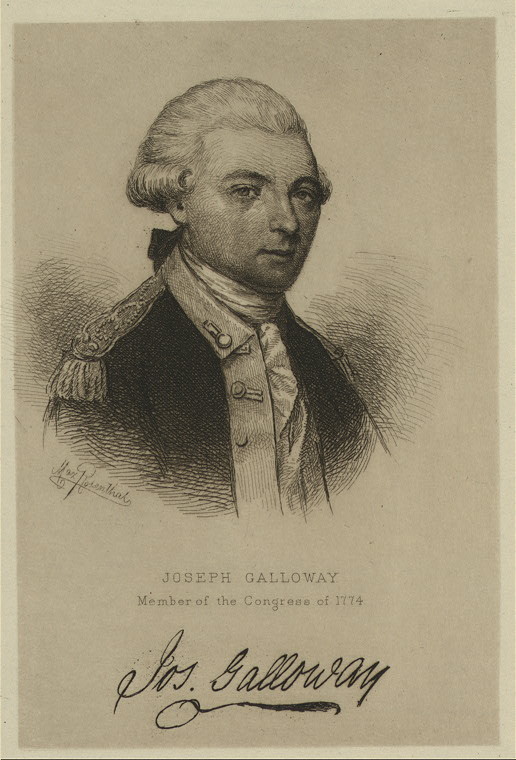
sasdfdsfds
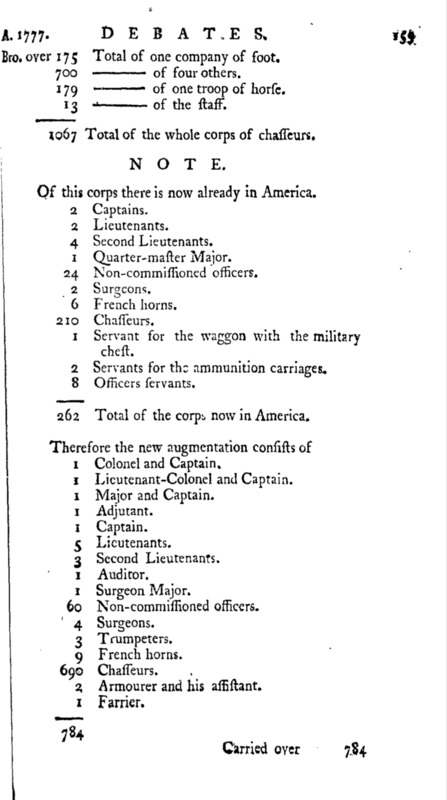
A register of the provisions for troops already in America.
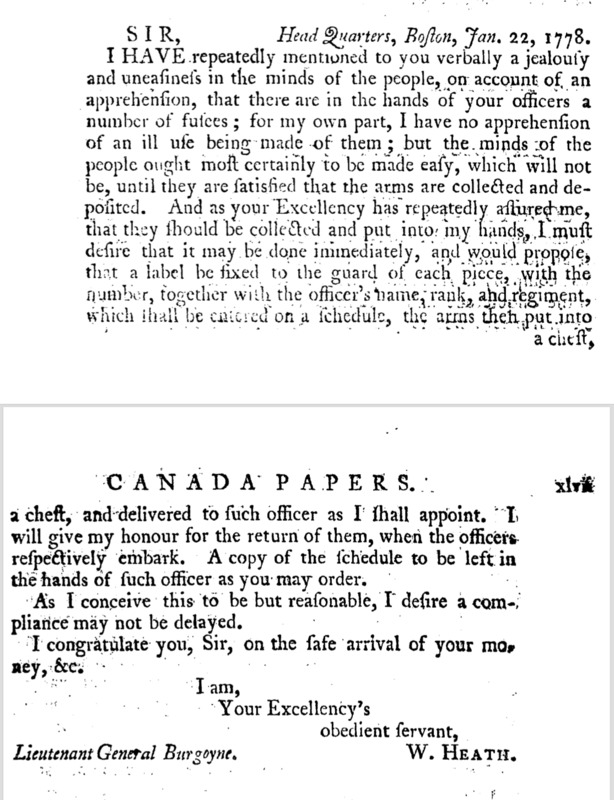
An ongoing correspondence between Major General Heath, Lieutenant General Burgoyne, General Phillips, and General Howe.
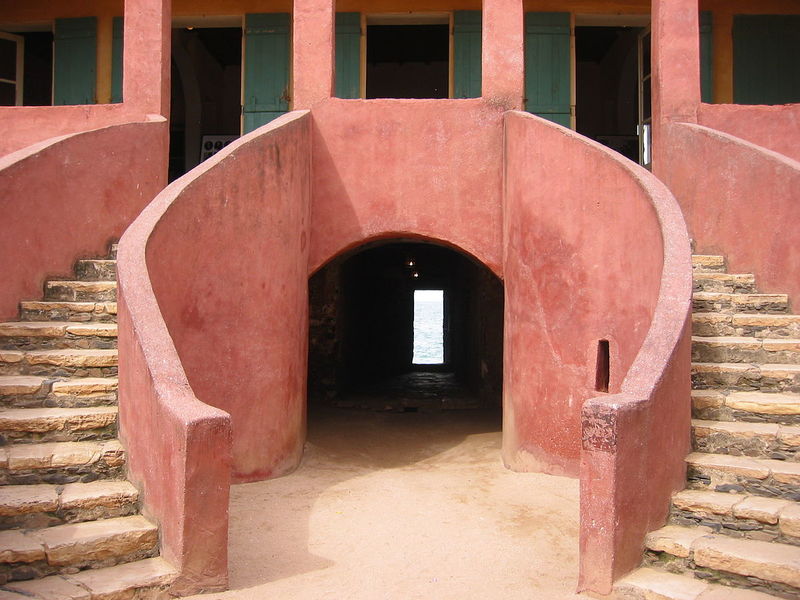
A picture of the Door of No Return on Goree Island, in a memorial to slaves who were forcibly held in the prison on Goree Island before being taken across the Atlantic.

A letter published inHonestus Mercator in July 1740 that argued against the continuation of the slave trade in the British Empire.
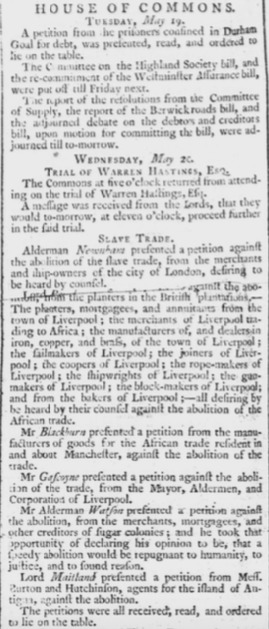
A newspaper article in theCaledonian Mercurydescribing recent petitions that have gone before Parliament in defense of the British slave trade.
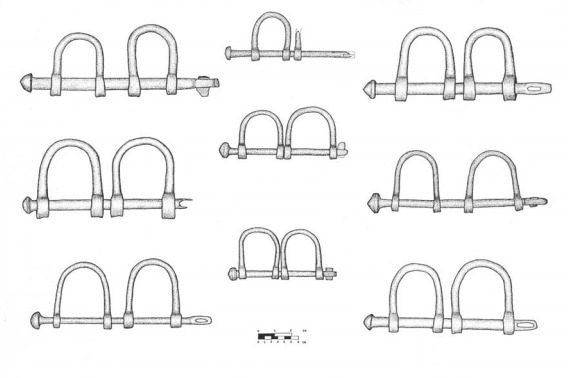
Recreations of the bilboes recovered from the shipwrecked slave shipHenrietta Marie. These and shackles like them were used to hold slaves' ankles in place while on the voyage across the Atlantic.
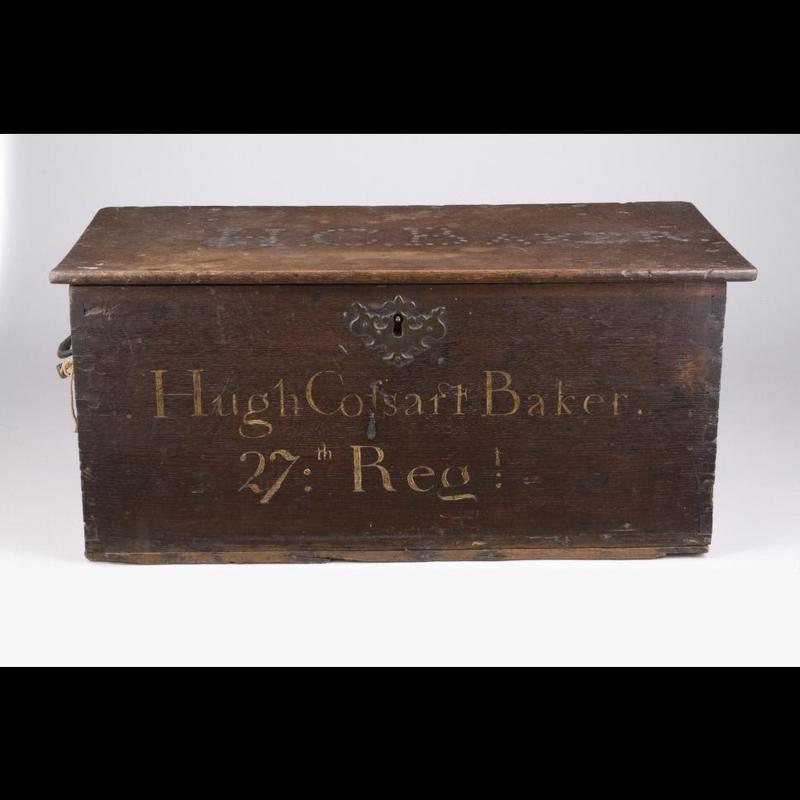
A 1775 Officer's Camp Chest belonging to Hugh Cossart Baker of the British Army's 27th Regiment. It was made from oak, birch, cedrella, iron, steel, brass, papter, paint, and ink. It was made in England and sold in Halifax.

Slave chain (with 3 neck-rings or shackles) made of iron. The chain was manufactured in Europe but discovered in 1937 in Kumase, Ghana.
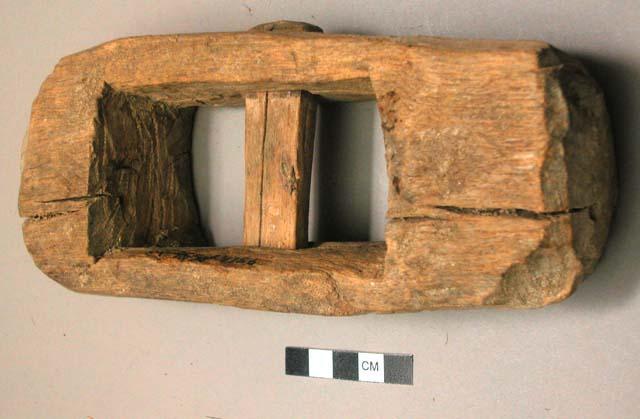
A set of wooden slave shackles used by Umbundu captors in Central Africa (modern-day Angola).