Browse Items (117 total)

http://dighist.fas.harvard.edu/courses/2017/hist1002/files/original/63f963830e869201b58fb8343698cd1d.jpg
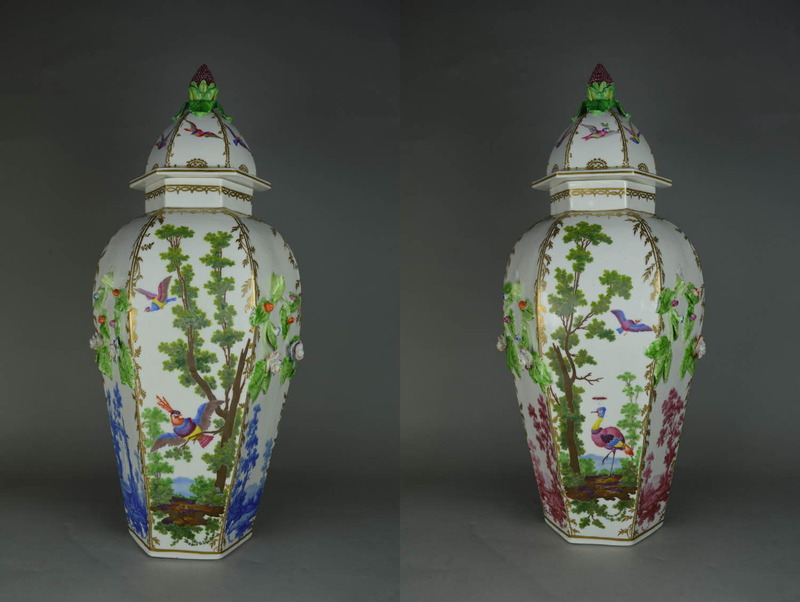
Porcelain; 30.7cm tall; octagonal with alternating images of landscapes and exotic birds; gilded edges.
http://dighist.fas.harvard.edu/courses/2017/hist1002/files/original/f12ba714315b95da726ce3a470cc76df.jpg
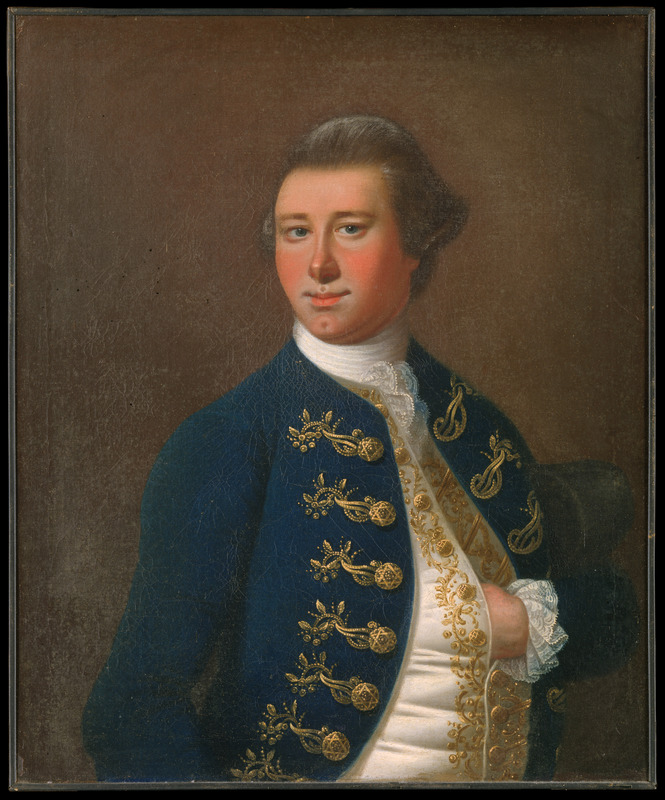
Swiss-born artist Jeremiah Theus paints wealthy Charleston citizen John Dart
http://dighist.fas.harvard.edu/courses/2017/hist1002/files/original/d4e9b6af430f3af38f05f6492c75accf.jpg
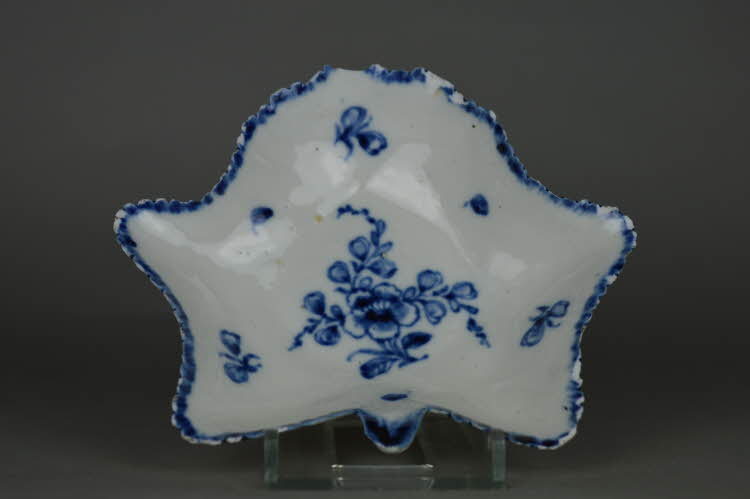
Porcelain, blue and white glaze, floral decoration, maker's mark on base ("X"), molded into vine-leaf form.
http://dighist.fas.harvard.edu/courses/2017/hist1002/files/original/0a847b66b528647af7a791762a579f05.jpg
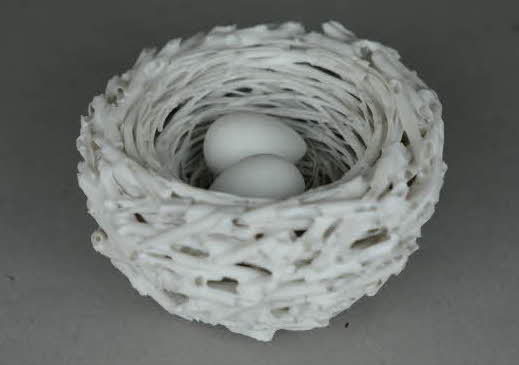
Porcelain; bird's nest containing two eggs, built from separate straws and twigs; white glaze.
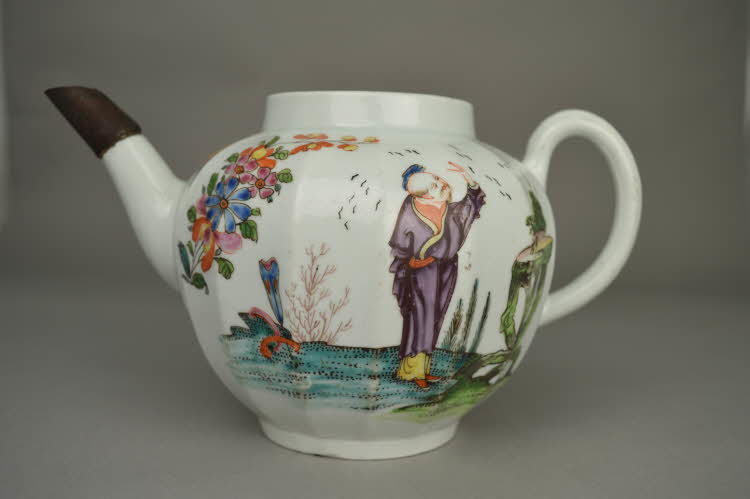
http://dighist.fas.harvard.edu/courses/2017/hist1002/files/original/908f6cd07c01805f1e9077d41d5c6f68.jpg
White porcelain; colorfully painted with British floral decoration and Chinese-style scenes; metal spout.
http://dighist.fas.harvard.edu/courses/2017/hist1002/files/original/f3866e564d22efa9aca3e00d33a4796b.jpg
Created a by a Dutch artisan in London, the sugar boxes display an exotic woman cultivating a piece of fertile land. Silver boxes like these were owned by affluent individuals in Europe and often revealed status. Wealthy individuals spent…
Written by a West Indian Planter, “The West India Merchant” first appeared in the London Evening Post in January of 1776. The pamphlet highlights the concerns of the West India interest namely the threat of economic catastrophe if relations between…
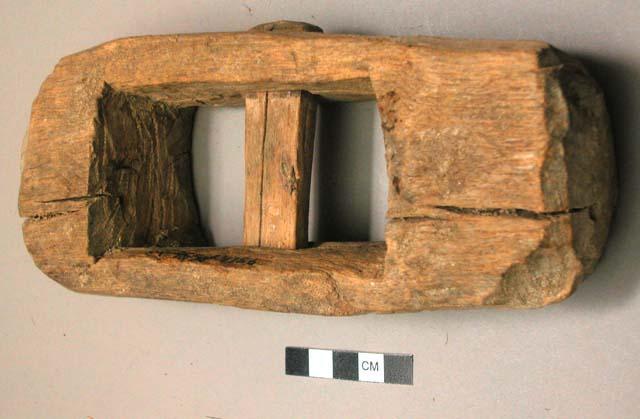
http://dighist.fas.harvard.edu/courses/2017/hist1002/files/original/3aa925849913b28408e6e87fd92d7e6d.jpg
A set of wooden slave shackles used by Umbundu captors in Central Africa (modern-day Angola).
http://dighist.fas.harvard.edu/courses/2017/hist1002/files/original/3c688868a6035390bdce01357123de34.jpg
Slave chain (with 3 neck-rings or shackles) made of iron. The chain was manufactured in Europe but discovered in 1937 in Kumase, Ghana.
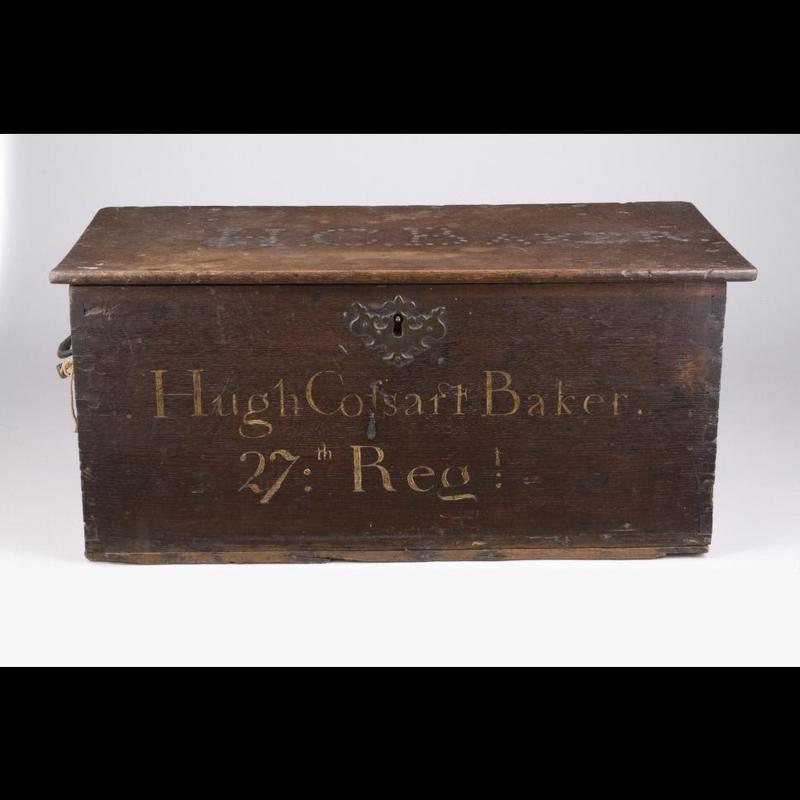
http://dighist.fas.harvard.edu/courses/2017/hist1002/files/original/83503d391f7100cbb2ac7571dc1880ee.jpg
A 1775 Officer's Camp Chest belonging to Hugh Cossart Baker of the British Army's 27th Regiment. It was made from oak, birch, cedrella, iron, steel, brass, papter, paint, and ink. It was made in England and sold in Halifax.
Output Formats

atom, dcmes-xml, json, omeka-xml, rss2